Dock, Seawall, or Bulkhead: What Does My Property Actually Need?
Docks, seawalls, and bulkheads get mixed up constantly by Tampa Bay waterfront owners. They do very different jobs. Getting them in the wrong order is one of the most expensive mistakes in waterfront construction, and it happens to at least one homeowner on every block along the Bay every year.
This is the guide we send to new waterfront buyers who call us asking which one they need. Almost always the answer is: probably both, in a specific order, and the seawall is the one that cannot wait.
The 15-second version
- Dock: The walkway that extends over the water. Access structure.
- Seawall: The vertical wall between your yard and the water. Retention structure that protects your yard from erosion and storm surge.
- Bulkhead: Same thing as a seawall. In Florida marine construction the words are interchangeable. Do not let a contractor charge you differently based on which word they use.
What each one actually does
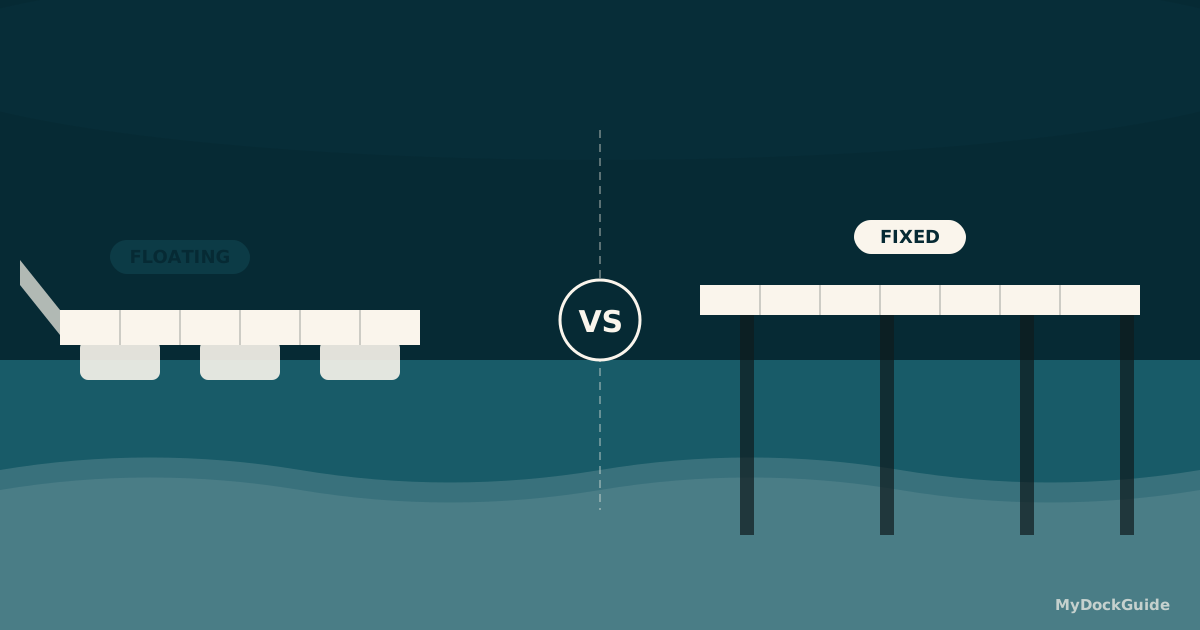
A dock lets you walk out over the water and access a boat. It does not hold back your yard. It sits on pilings that penetrate the bottom. If your yard is protected some other way (natural rip-rap, an existing wall, a wide sandy beach), you can have a dock without a seawall. In Tampa Bay canals, that is rare.
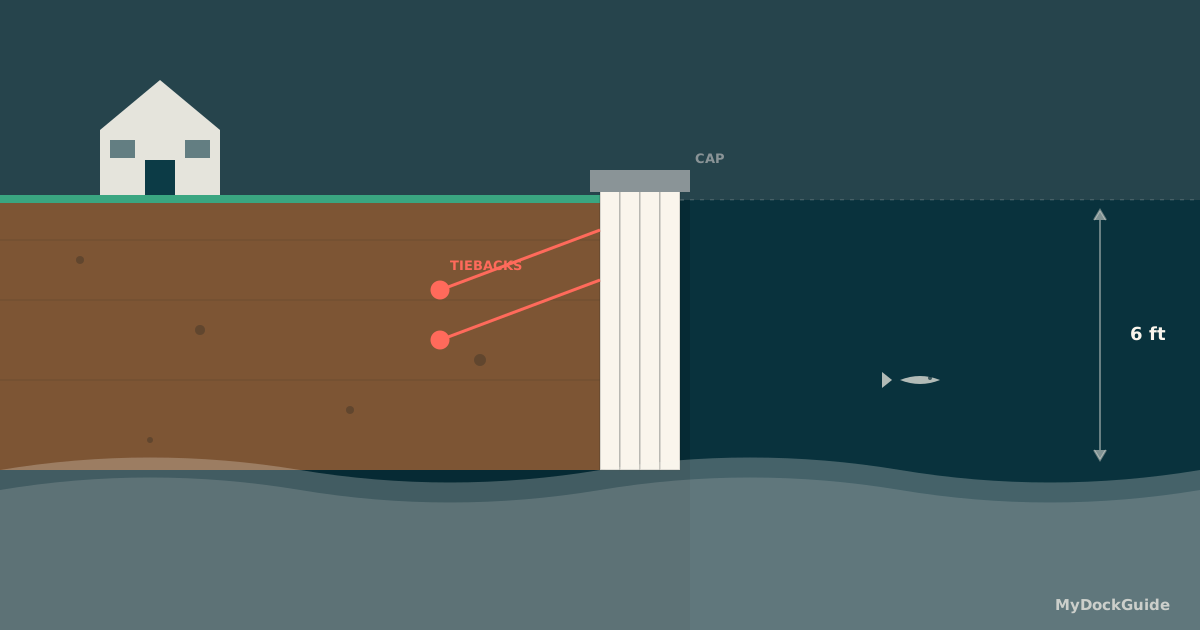
A seawall holds back your yard. It is a vertical structure between your grass and the water. It stops daily tide from eroding the shoreline, prevents soil from washing into the canal, and in a storm it stops surge from carving out your property. In most Tampa Bay canal-front homes, the seawall is the single most important piece of infrastructure the property has.
In Tampa Bay you almost always need both. And the seawall almost always comes first.
How to tell if you need a seawall
Walk to the water line at low tide. Look at the transition from lawn to water. Any one of these is a warning sign that either the existing seawall is failing or that you never had one:
- Vertical drop of 2 feet or more from yard to water. Without a wall holding that back, every high tide takes a little more of the bank with it.
- Cracks in an existing seawall. Vertical cracks are worrying. Horizontal cracks near the top are urgent.
- Tilting. A seawall leaning waterward means the tiebacks behind it are failing.
- Settled soil behind the wall. If your lawn has a low spot right against the seawall, water is finding a way through and taking soil with it.
- Erosion or bare spots where the yard meets the water.
- Shifted rip-rap. Rock that has slumped or is undermined tells you the shoreline is losing material underneath.
- Voids you can see under the wall cap. If you can shine a flashlight down and see empty space, the wall is being scoured out from behind. That is close to failure.
The order to build them
Build or fix the seawall first. Then build the dock. The reasons matter.
Building a dock over a failing seawall means the seawall lives underneath your new dock. When it fails (and it will, if it is already failing), you have to pull up sections of the dock to access the wall for repair. That doubles or triples the cost of the eventual seawall replacement. We have watched Tampa homeowners spend $80,000 on a beautiful new dock in year one, then spend another $40,000 in year three tearing sections up to redo a seawall that should have been fixed first.
The right order looks like this: engineer inspection first, seawall work second, dock work third. That sequence costs less, takes less time, and gives your permitting authority a much cleaner story.
What a seawall actually consists of
A modern Tampa Bay seawall is more than just the wall panels you see. Every proper installation includes:
- Panels. The visible vertical part. Vinyl is the Tampa default now. Concrete for higher-end work. Aluminum on some Bay-front homes. Steel is rare in residential.
- Tip. The bottom of the panel that gets driven into the seabed. Depth matters. Too shallow and the wall pivots.
- Cap. The horizontal beam that sits on top and ties all the panels together. Concrete is standard.
- Tiebacks. Anchors installed behind the wall that resist earth pressure. Helical anchors are modern standard. Deadmen (buried horizontal concrete blocks) are older but still used. Without tiebacks, tall walls pivot forward.
- Backfill. The soil and drainage material behind the wall. Gets scoured out first when the wall fails.
A quote for a Tampa seawall that does not itemize each of these should be treated with suspicion. The cheap quote is almost always the one where the tiebacks or backfill got quietly downsized.
Vinyl vs concrete vs aluminum in Tampa
The three most common Tampa Bay seawall materials, ranked by market share:
Vinyl
The 2026 default across Tampa Bay. Ribbed vinyl sheet piles driven with a vibratory hammer. Cost: $400 to $550 per linear foot for standard heights. Lifespan: 50+ years. Immune to marine growth and salt corrosion. Comes in Bay-safe colors so it does not turn white in the sun. Downsides: less premium look than concrete, dented easily by boats or debris.
Concrete
The premium option. Pre-cast concrete panels or poured-in-place walls with reinforced cap. Cost: $550 to $750 per linear foot. Lifespan: 40 to 70 years depending on rebar quality and salt exposure. Preferred on high-end waterfront homes in Sunset Park, Snell Isle, and Davis Islands where the look matters.
Aluminum
A newer option gaining traction on modern architectural homes. Extruded marine-grade aluminum panels. Cost: $500 to $650 per linear foot. Lifespan: 40+ years. Cannot rust, cannot rot, cannot delaminate. Requires strict galvanic isolation from any steel or concrete rebar. Wrong installation fails in five years.
Bulkhead vs seawall: the same word war
In Florida marine construction, bulkhead and seawall mean the same thing. Some builders use bulkhead for smaller residential walls and seawall for larger commercial ones. It is a stylistic distinction, not a functional one.
The one place the distinction matters: some HOAs write covenants using one word or the other. If your CCRs mention a bulkhead height rule, that rule applies to your seawall too, even if the paperwork calls it something different.
Not sure what your yard needs?
Our seawall cost estimator handles length, height, material, and county permit fees. Get a per-linear-foot number in 60 seconds.
How storms change the answer
Hurricane Ian, Milton, and Helene each rewrote the seawall priority conversation in Tampa Bay. Homes with sound seawalls came through with damaged docks but intact yards. Homes with failing seawalls lost 5 to 20 feet of property to surge and had to file FEMA-adjusted rebuilds with new elevation certificates and current-code costs.
If your seawall is more than 30 years old, get it inspected before June every year. That inspection is $500 to $1,500 and is the single best insurance policy in waterfront ownership.
Common Tampa mistakes we see
Need both a dock and a seawall?
Bundling them with one licensed marine contractor saves 8 to 15 percent on mobilization and permitting, and it gets the sequence right. Get three matched quotes for both scopes.
Get quotes for both →The bottom line
Dock, seawall, and bulkhead are not the same thing. Docks give access. Seawalls (and bulkheads, same word) hold your yard together. Most Tampa Bay lots need both, and the seawall almost always comes first.
If your seawall is more than 20 years old, budget for an inspection this year. If it is more than 40 years old, plan the replacement into your next 5-year waterfront capital plan. Whichever number you spend on the seawall, know that the cost of not fixing it is always higher.