Floating or Fixed? A Tampa Bay Guide
Tampa Bay does not have the six-foot tides you see in Maine or the Gulf of Alaska. Our average swing is a modest 2 to 3 feet, sometimes 4 during a spring tide. That number matters more than it sounds. It is the whole reason floating and fixed dock decisions play out differently in Tampa than in most of Florida.
This is the guide we wish existed when we started tracking builds. It is written from the perspective of the tradeoffs we actually see homeowners regret in their first five years.
The 30-second answer
Fixed docks are the default choice for Tampa Bay waterfront homes. They last longer, look cleaner, and resell better. Floating docks are the right choice for canals with wide tidal swing, for kayak or PWC access, or when your budget is under $10k. Anything in between is where the interesting arguments happen.
Fixed docks: what you get
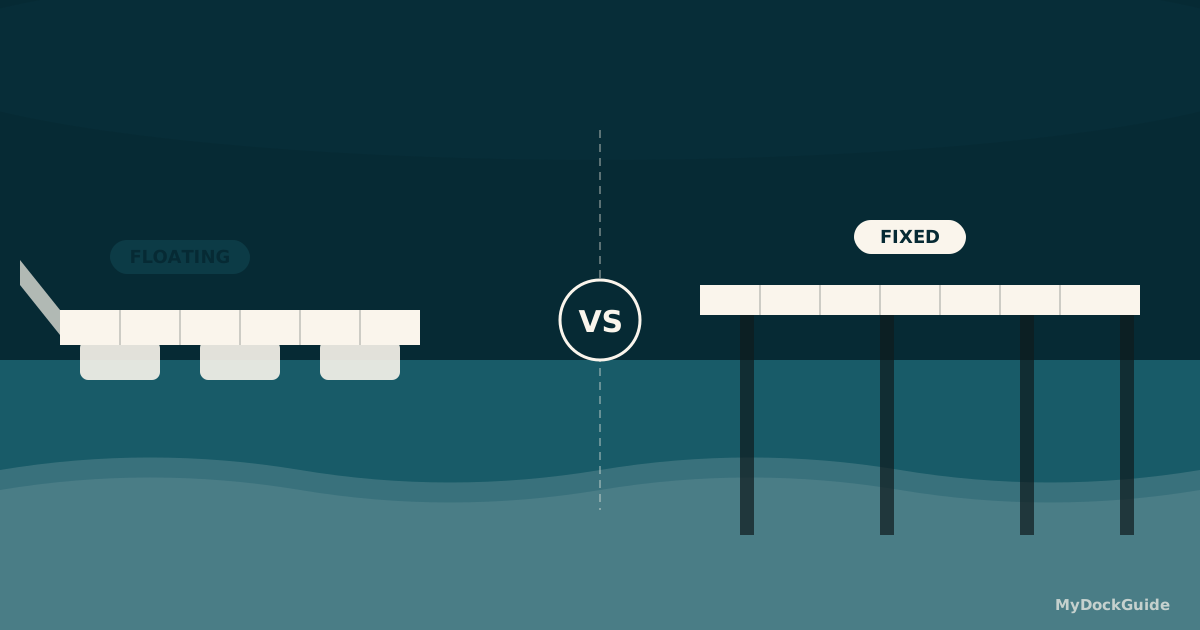
A fixed dock is a rigid platform built on pilings driven into the bottom. The height stays constant. Boats tie up to it and float up or down relative to the dock as the tide changes.
Where fixed wins
- Open Bay exposure. Fixed docks handle wind, wake, and mild storm chop better than any floating design.
- Larger boats. Anything over 20 feet with a boat lift needs fixed pilings.
- Resale value. Buyers in South Tampa, Davis Islands, and Snell Isle expect fixed docks. Floating docks read as a compromise.
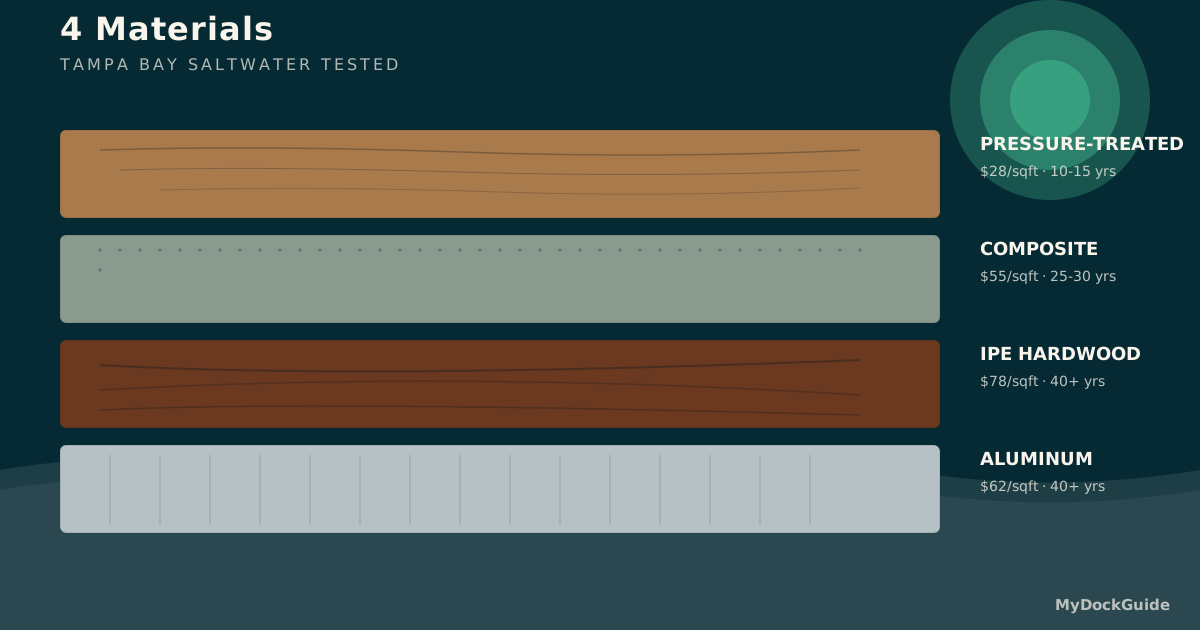
- Long life. A well-built fixed dock lasts 25 to 40 years with proper piling material.
- Space for add-ons. Roofs, lifts, and kayak launches all attach to fixed docks. Retrofitting these onto floating docks is difficult.
Where fixed struggles
- Boat access at low tide can be awkward. If your dock height is designed for the average tide, you have a big step at high tide and possibly a big drop at low tide.
- Higher upfront cost. Pilings are the most expensive part of a dock. Fixed docks need more of them.
- Slower to build. Piling work takes days. Floating docks can be assembled and dropped in hours.
Floating docks: what you get
A floating dock is a platform on sealed floats that rises and falls with the water. It attaches to shore with a hinged ramp and either anchors to the bottom or slides on guide pilings.
Where floating wins
- Canal-front homes with wide tidal swing. If your canal drains dramatically at low tide, a floating dock keeps boat access consistent all day.
- Kayak, paddleboard, and PWC launches. A floating dock sits inches above the water at all tides, which is perfect for stepping onto a low-freeboard craft.
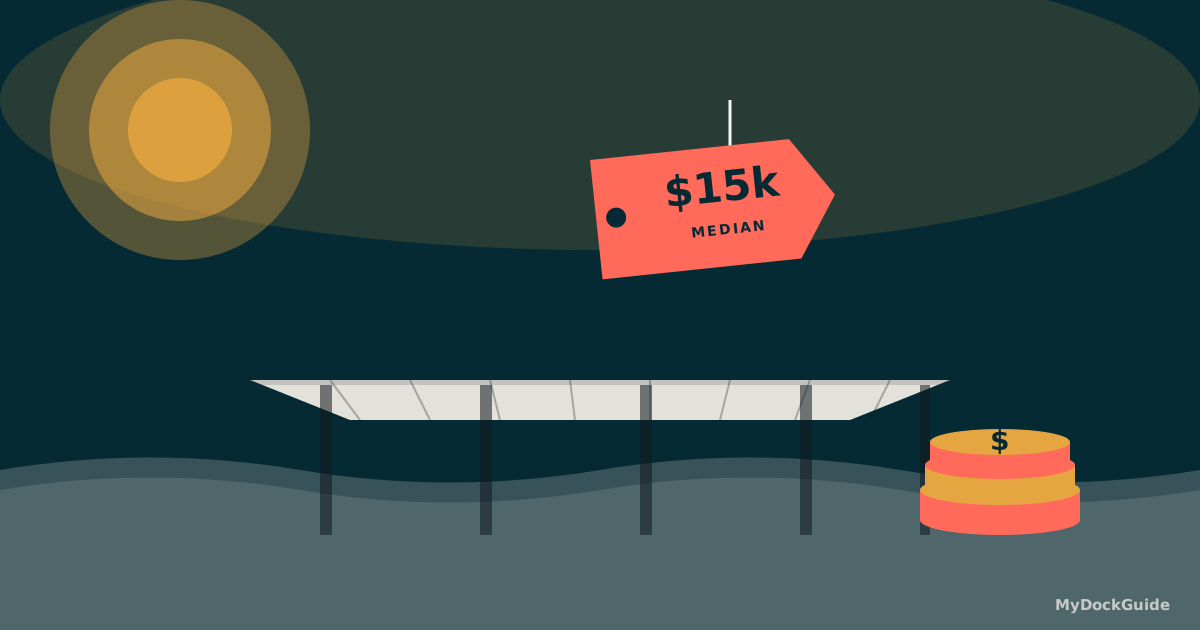
- Budget builds. A basic floating dock is $2,000 to $8,000 installed. A comparable fixed dock is $12,000 to $20,000.
- Fast install. A floating dock can go from delivery truck to in-service in a day.
- Storm removability. Some floating docks can be pulled ahead of a hurricane and stored on land.
Where floating struggles
- Shorter life in Tampa saltwater. Fasteners corrode. Floats develop leaks. Realistic lifespan is 8 to 15 years, versus 25 to 40 for a well-built fixed dock.
- Boat lifts are difficult. Most lift manufacturers require fixed pilings.
- Wake sensitivity. A floating dock moves with every passing boat. That is charming for the first month and annoying for the next thirty years.
- Perceived as temporary. Real estate buyers often discount for floating docks in traditional dock neighborhoods.
The Tampa Bay decision framework
After looking at hundreds of Tampa Bay dock decisions, we boil it down to four questions. Answer these and the choice usually makes itself.
1. What is the tidal swing on your specific parcel?
Not just the Tampa average. Your canal. Ask a neighbor with a dock or check a NOAA tide chart for your exact address. If your normal swing is under 3 feet, fixed is fine. If it is 3 to 4 feet with occasional 5-foot spring tides, floating starts making more sense.
2. What are you keeping at the dock?
A 26-foot center console with a lift? Fixed. Two kayaks and a paddleboard? Floating is genuinely better. A 32-foot sport fisher? Fixed, obviously.
3. How long will you own the house?
Buying a Tampa home to hold for 20+ years? Fixed is the long-term winner even if the upfront cost stings. Bought a rental you plan to sell in 5 years? Floating is a legitimate answer, especially if the current dock is failing and the budget is tight.
4. What do your neighbors have?
On Davis Islands and in Sunset Park, every dock is fixed. Building a floating dock in a fixed-dock neighborhood hurts resale. In Riverview and MiraBay canals, floating is much more common and does not stand out.
Get help sizing your dock
Our Dock Cost Calculator handles both fixed and floating configurations with Tampa Bay pricing built in.
Common Tampa Bay mistakes
Ready for real quotes on either option?
Three licensed Tampa Bay builders will quote your project, fixed or floating, free. We match to contractors who install both.
Get my free quotes →The bottom line
Fixed docks are the right answer for most Tampa Bay homeowners. They last longer, hold value, and support the boats we actually own here.
Floating docks win in specific situations: canals with wide tidal swing, kayak-focused access, tight budgets, or when hurricane removability matters more than longevity. Neither is universally better. The right answer depends on your tide, your boat, and your ZIP code.
This guide reflects Tampa Bay conditions and market norms. Freshwater and non-Florida coastal markets have different tradeoffs.